Civil registration from 1837
About birth records
A birth index can give you the reference you need to order a certificate and discover another generation of your family.
The basics
What are BMDs?
‘BMD’ stands for births, marriages and deaths. The General Register Office (GRO) has kept civil registration records by law since 1837, recording events in England and Wales and issuing copies of birth, marriage and death certificates.
A birth record states the date and place an individual was born. Birth indexes are useful for locating an entry; a full birth certificate can reveal much more about the child and their parents.
1837 onwards
What appears in a birth index?
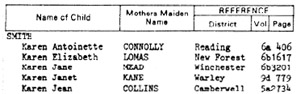
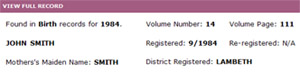
Birth indexes generally help you identify the right entry by listing:
- the child’s full name
- the mother’s maiden name
- the registration year and quarter
- the registration district
- the volume and page number
Go deeper
What does a full certificate add?
A full certificate can give you:
- the child’s full name and sex
- date and place of birth
- the mother’s maiden name
- the informant’s name, address and relationship to the child
- the father’s name and occupation where recorded
- the place of birth of both parents
For events before 1837, turn to parish baptism records instead.